HISTORY
1920 - According to the 1920 census, 60 percent of Scotts Run's population is foreign born, with native whites and blacks divided about equally for the remaining 40 percent.
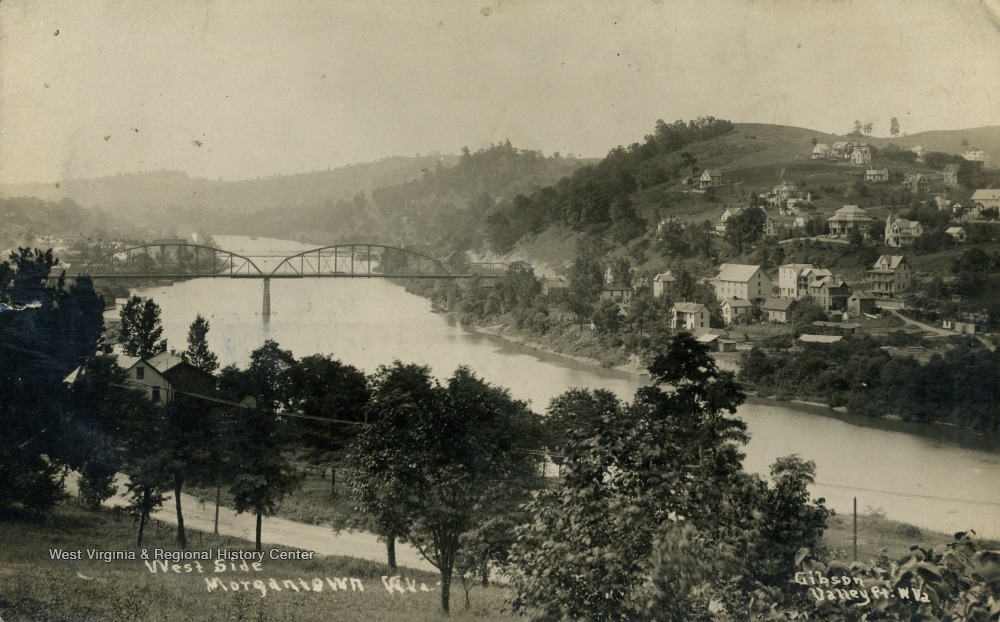
1921 - Monongalia County produces nearly 4.4 million tons of coal. Coal companies owned 75 percent of the taxable acres in Scotts Run.
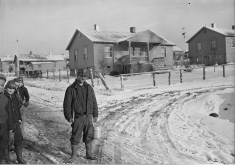
1930 - Scott’s Run becomes America's symbol of the Depression in the coalfields, setting the standard measurement for human suffering among miners.
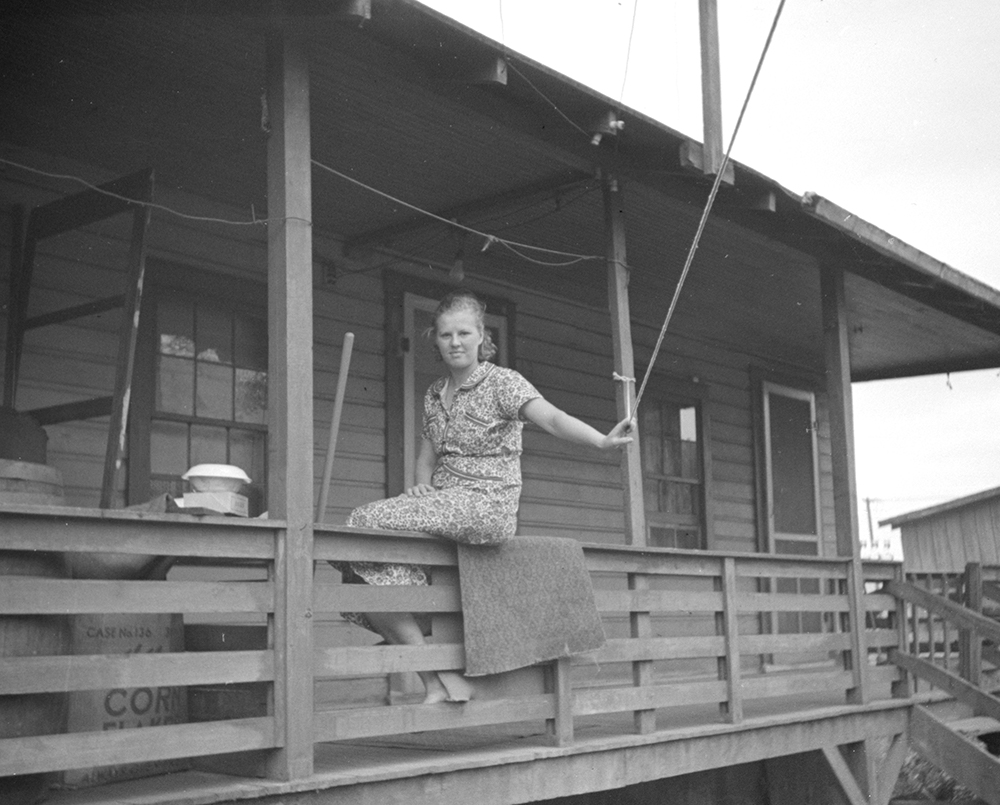
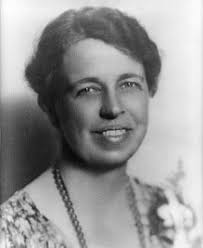
1935 - Eleanor Roosevelt traveled to Scott’s Run to visit with the impoverished miners and their families. She helps to relocate some white, English-speaking families to Arthurdale, WV.
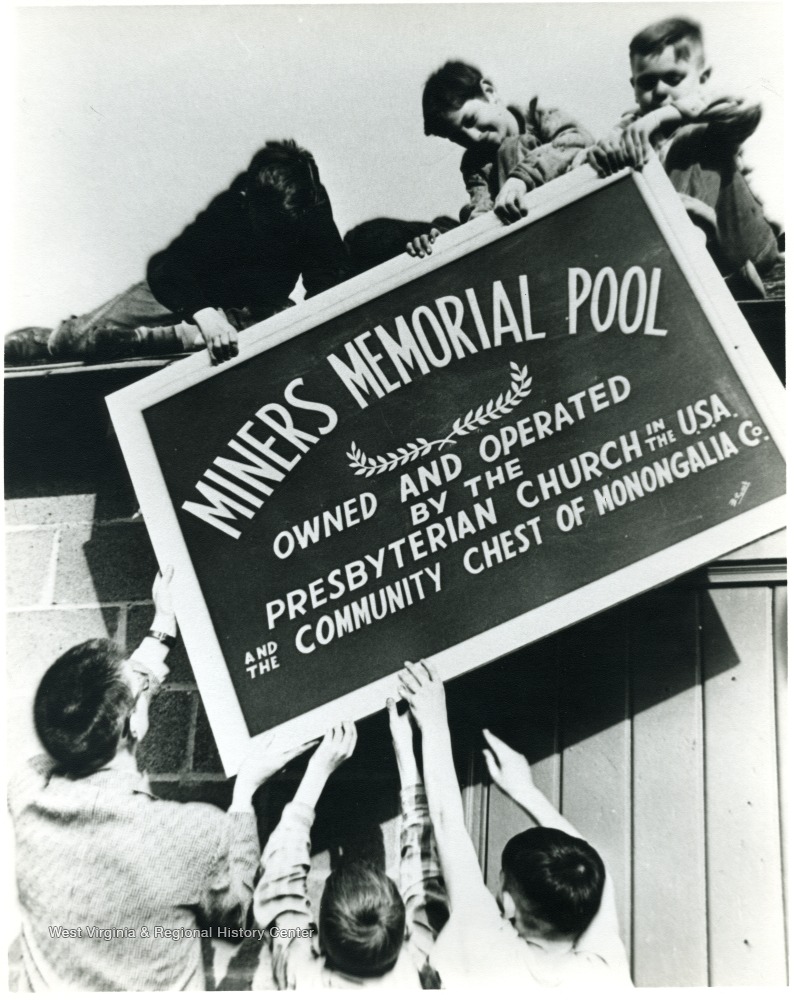
1946 - The Shack Neighborhood House opens an integrated swimming pool.
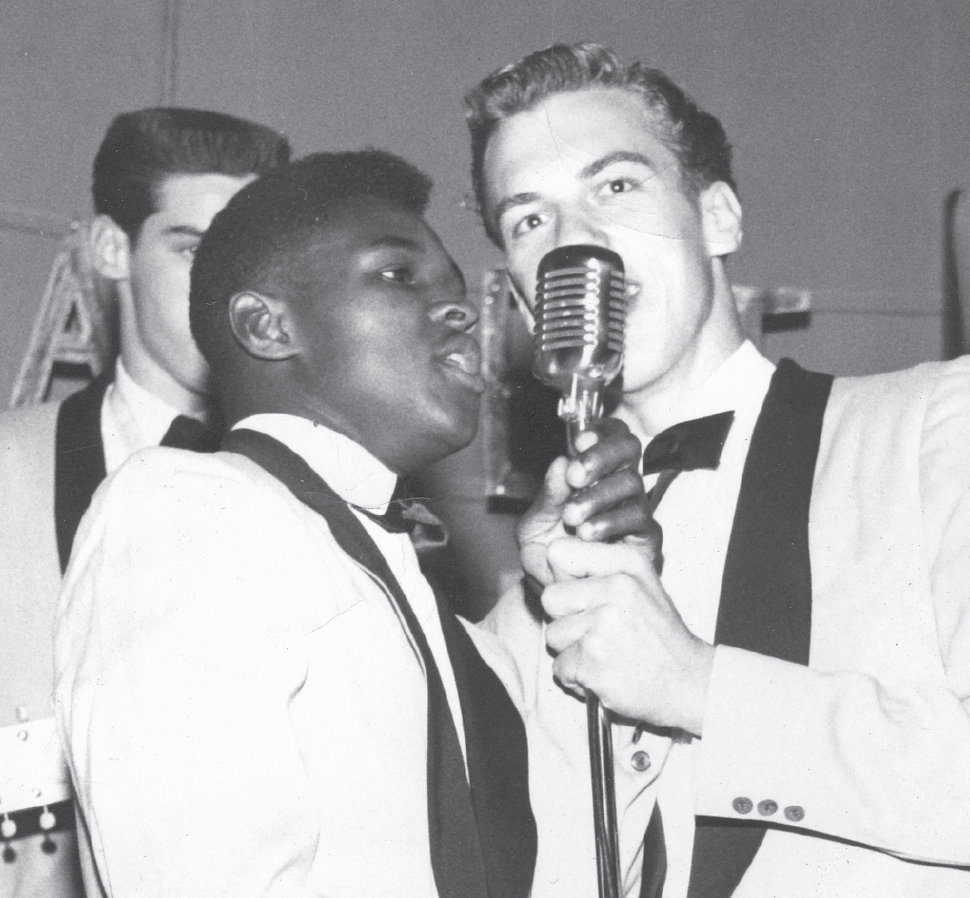
1958 - Al Anderson becomes lead singer for The Fabians.
1991 - Charlene Marshall, born in Scott’s Run, becomes the first black woman mayor in WV.

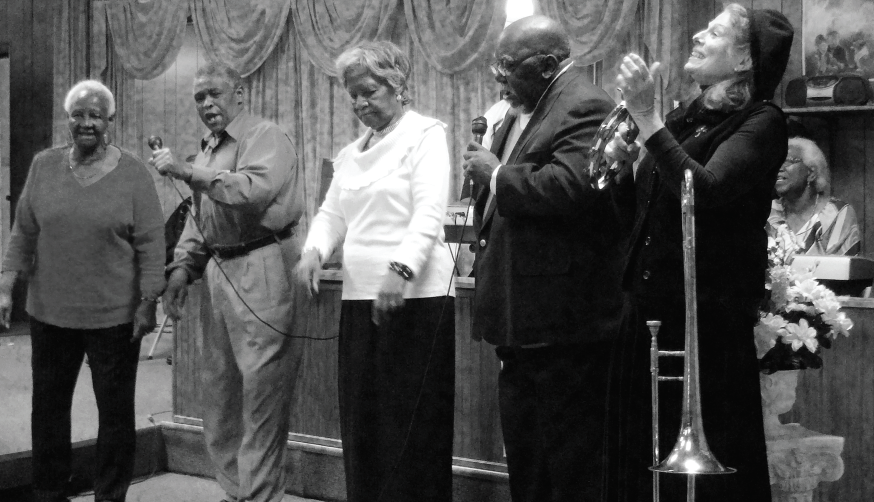
2000 - Flying Colors begins performing at events ranging from funerals to Empty Bowls.
2009 - Ellie Mannette brings steel drum factory to Osage.

HISTORICAL PHOTOS
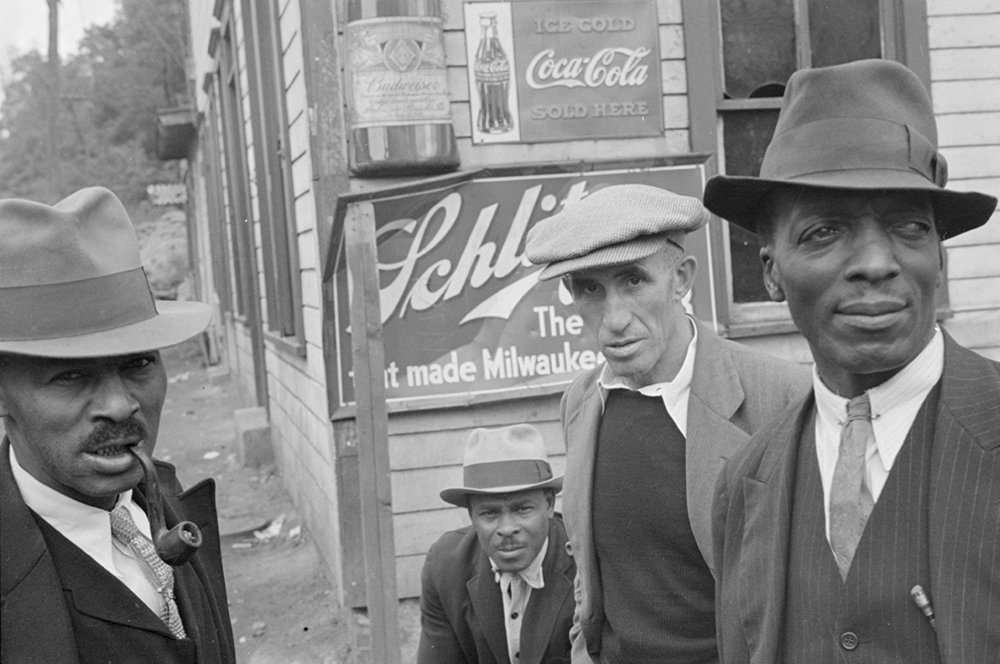
Sunday in Scotts Run
Date: October 1935
Photographer: Ben Shahn
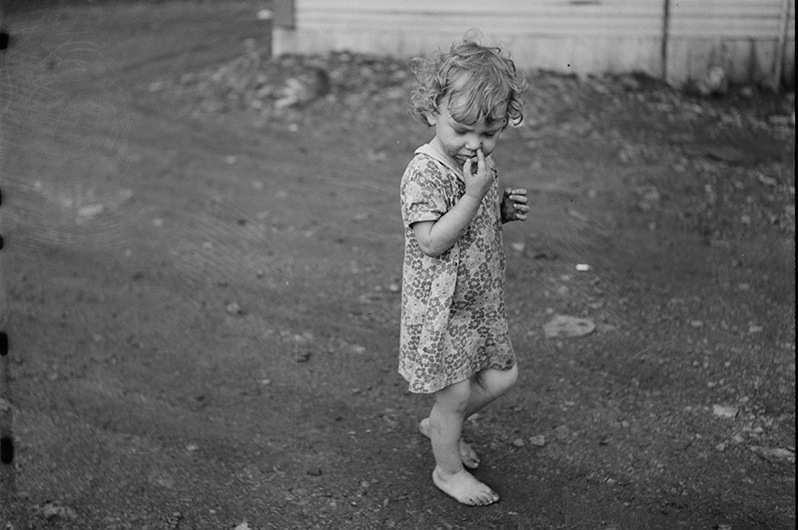
Coal miner's child
Date: September 1938
Photographer: Marion Post Wolcott
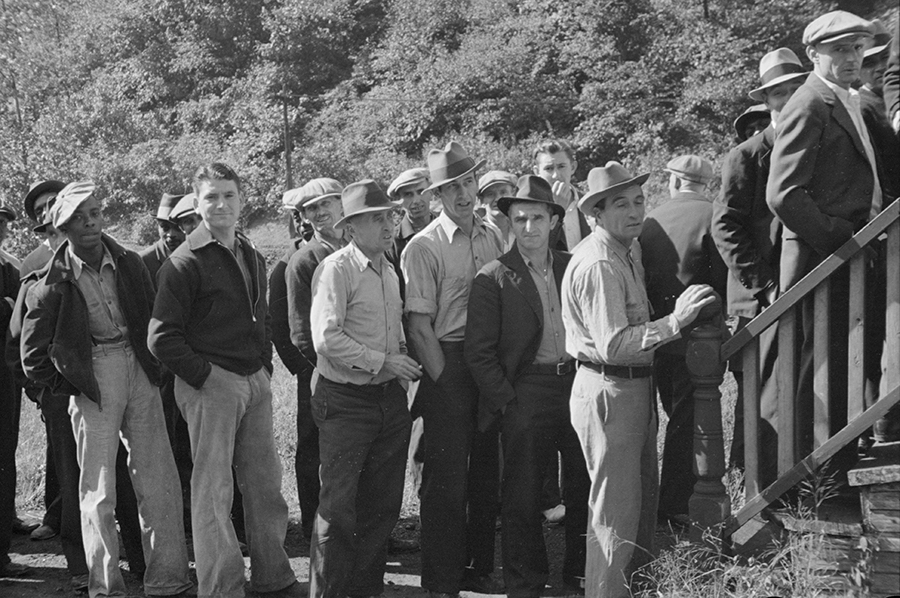
Payoff at Pursglove Mine
Date: October 1935
Photographer: Ben Shahn
Scotts Run: An Introduction
An excert from writings by Ronald L. Lewis
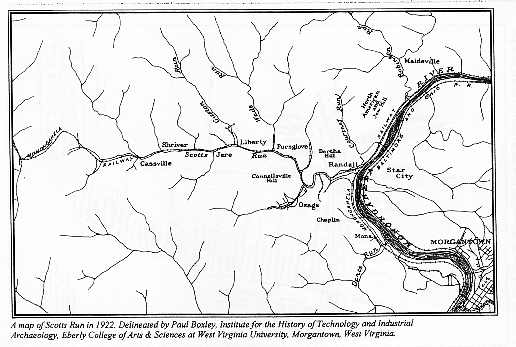
As a case study, the rise and fall of King Coal in this Monongalia County hollow condenses the life cycle of coal communities from birth to death as well as the perennial booms and busts which convulse this industry. Scotts Run's history is a reminder that the unrestrained capitalist development of the late nineteenth and early twentieth centuries led to explosive growth but also to unrelenting human misery. Coal companies and speculators began to accumulate mineral rights on Scotts Run in the late nineteenth century, but the transition from agricultural to industrial economy did not make any significant headway until World War I stimulated the demand for coal to fuel the national war machine. Monongalia County produced a mere 57,000 tons of coal in 1899 and only 400,000 tons in 1914, but by 1921, tonnage soared to nearly 4.4 million. Most of this expansion is attributable to the development of Scotts Run where, during its peak in the mid-1920s, coal companies owned 75 percent of the taxable acres, and between thirty-six and forty-two mines were shipping coal. As in southern West Virginia, development of the coalfields required more workers than available in the local labor market, forcing companies to rely on imported immigrants and blacks. In fact, one of the distinguishing characteristics of the population of Scotts Run during the boom years was its diverse composition. An exact calculation of the population is not possible because the Run is a geographical rather than a political subdivision of Cass District, and the census does not always indicate the exact location of residents. Also, the decennial census for 1920 and 1930 did not record the surge in population, which peaked at about four thousand during the 1920s. That does not tell the whole story, however, as the number of workers who commuted to jobs at Scotts Run mines remains unknown, but it represented a significant proportion of the work force.
As in other West Virginia coalfields, the importation of workers produced a racially and ethnically diverse population. The 1920 manuscript census identified the following foreign-born nationalities among the adult (voting age) residents of Scotts Run: Austrian, Bohemian, Canadian, Croatian, English, Finnish, Greek, Hungarian, Italian, Irish, Lithuanian, Polish, Rumanian, Russian, Scottish, Serbian, Slovak, Ukrainian, and Welsh. Ninety-three percent of these immigrants were from southern or eastern Europe, and approximately 60 percent of Scotts Run's population was foreign born, with native whites and blacks divided about equally for the remaining 40 percent. The coal boom beginning during World War I and continuing into the early 1920s was the first and last high mark for the industry on Scotts Run. By the late 1920s, coal entered the downward spiral, which ultimately led to the depopulation of the hollow. During the economic collapse of the 1930s, Scotts Run became America's symbol of the Depression in the coalfields, setting the standard measurement for human suffering among miners. A writer for the Atlanic Monthly declared that Scotts Run was "the damndest cesspool of human misery I have ever seen in America. " To what degree life was worse here than in other coal hollows is difficult to determine, but there was plenty of misery to go around. Scotts Run received so much attention because it was far more accessible to the outside photographers, reporters, social workers, and government officials who aimed the media spotlight into this particular corner of the coalfields.